
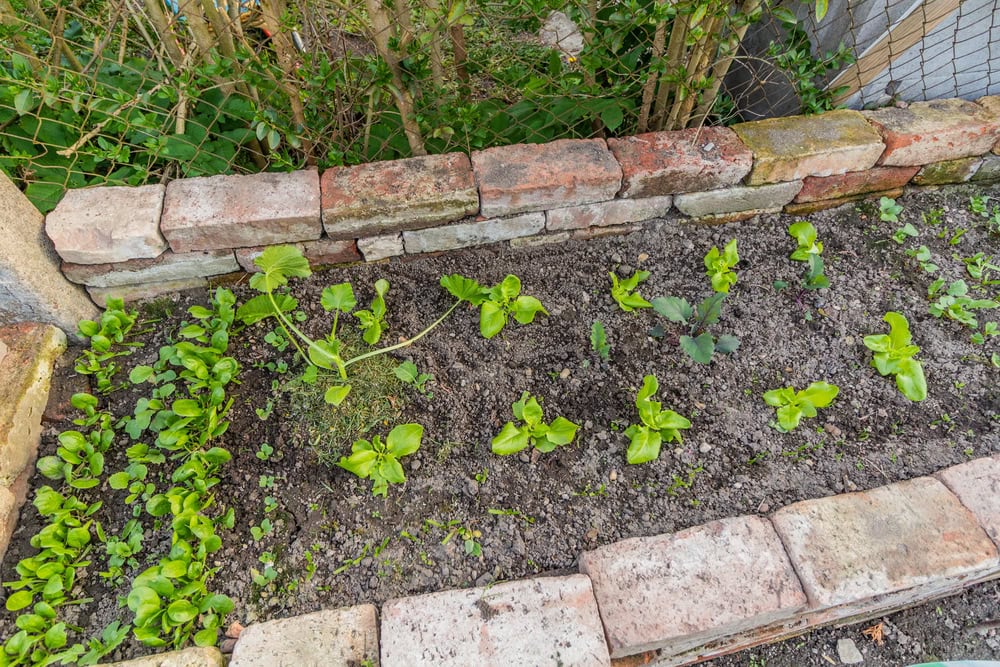
TL;DR: Choose beginner-friendly vegetables like lettuce, radishes, bush beans, and Swiss chard that match your sunlight, season, and space so you can get quick, reliable harvests without frustration. Start small with the right containers and a few easy crops, and you will build confidence fast while avoiding the most common beginner mistakes.
The Easiest Vegetables To Grow If You’ve Never Gardened Before
A lot of first vegetable gardens fail in the same quiet way: too many hopeful plants, not enough sun, and one beginner who assumes the problem must be them.
I have watched brand-new gardeners spend $40 to $80 on a few pots, a bag of mix, and optimistic little seedlings, only to quit by the end of the month because their first choices were far harder than they looked.
If that sounds familiar, you are exactly who I wrote this for.
Most first gardens do not fail because the gardener is hopeless. They fail because the crops did not match the sunlight, season, space, or routine.
I have grown food in backyard beds, cheap plastic pots, grow bags, balconies, windowside containers, and those awkward rental corners where the sun shows up late and leaves early. After decades of trial, error, surprise wins, and a few plants that seemed personally offended by me, I can tell you this: your first vegetable should give you a win you can feel.
Some of my best lessons came from ugly pots, awkward corners, and crops that flopped before I figured them out.
- Easy means high odds of success
- The best first crop matches your sun, season, space, and routine
- A few vegetables are true first-season champions
- A few others are better once your setup is working in your favor
Once you know which vegetables are truly beginner-friendly, the whole thing gets much less mysterious.
When I say easy, I mean vegetables that sprout or establish reliably, forgive small mistakes, fit ordinary homes, and reward you before you lose heart. A crop earns the word easy when it still behaves decently in an ordinary life.
Want To Grow Vegetables But Not Sure What To Plant First?
If you have ever stood in front of seed packets feeling oddly intimidated by lettuce, you are in very good company. Gardening advice has a bad habit of making everything sound equally possible, even when your balcony, budget, and schedule are saying otherwise.
Maybe you have one sunny patio corner. Maybe you have a balcony and a lot of hope. Maybe you have room for one pot and you want to make it count.
A lot of people choose their first crops based on what they love eating most. That sounds sensible until they try to grow tomatoes with only three hours of sun or squeeze zucchini into a decorative pot the size of a soup bowl.
This is where a lot of first gardens quietly go sideways.
I made my own version of that mistake with eggplant years ago. I wanted glossy purple fruit so badly that I ignored the plain fact that my setup suited leafy greens far better, and I paid for that ambition with a season of miserable leaves and zero dinner.
I was trying to grow the fantasy version of my garden instead of the garden my space could actually support.
That was when I learned a lesson I still come back to. A beginner-friendly crop matters more than an aspirational one.
Your first season does not need to look impressive. It needs to give you one edible harvest, one useful lesson, and one good reason to keep going.
That is why choosing your first crops well matters so much more than choosing a lot of them.
Why First-Time Gardeners Often Get Overwhelmed
There is too much advice online, and a lot of it quietly assumes you have a sunny yard, ideal timing, and the memory of someone who has never forgotten to water anything in their life.
- Partial sun
- Work schedules
- Renters’ rules
- Kids and family routines
- Travel or inconsistent watering
- A budget that says two containers are fine but twelve are definitely not
Most beginner mistakes are not dramatic. They are just small mismatches that add up.
The Best First Vegetable Is The One That Fits Your Life
The best first vegetable is the one that fits your life, not just your grocery list. A crop that suits your light, season, and habits will teach you more than a fussy favorite ever will.
If you only get 4 to 6 hours of sun, leafy greens usually make more sense than fruiting vegetables.
If you know you miss a watering now and then, forgiving crops like Swiss chard and bush beans are kinder teachers than cucumbers in a small hot pot.
Choosing what fits your space is wisdom, not compromise.
What Success Really Looks Like In Your First Season
Success can be one bowl of loose leaf lettuce for sandwiches. Success can be ten radishes that actually formed bulbs instead of giving you a pot full of leafy disappointment.
I care far less about how many plants you start with than whether one of them makes you smile when you harvest it. That quiet little win is what carries people into the next season.
What Makes A Vegetable Easy For Beginners?
When I help a beginner choose crops, I run them through what I think of as a Beginner Success Test. I want something that grows well in ordinary home conditions, handles small mistakes, fits the season, rewards the gardener quickly enough to stay motivating, and does not require a whole side hobby in pruning, pest control, or babying.
Here is the part beginner lists often gloss over.
Easy does not always mean most productive. Easy also does not always mean fastest.
Some vegetables are easy because they forgive a missed watering or recover well from a rough patch. Others are productive once they get going, but they ask more from you up front.
- Reliable in common home setups
- Forgiving of small mistakes
- Season-appropriate
- Fast enough to stay motivating
- Simple enough to manage without fuss
If a crop misses two or three of those, I stop calling it easy for a true beginner.
Easy Vegetables Grow Well In Ordinary Home Conditions
You do not need a handcrafted raised bed and a truckload of compost to grow lettuce. A basic container with drainage and a bag of decent potting mix can carry you a surprisingly long way.
Many beginner-friendly crops are perfectly happy in a grow bag, on a patio, or in a small bed by the back steps. That matters because most people garden where they live, not where a glossy catalog pretends they should live.
I have seen loose-leaf lettuce do beautifully in a basic plastic pot that cost less than lunch.
Easy Vegetables Forgive Small Mistakes
Forgiving crops are worth their weight in gold for beginners. They give you room to learn without punishing every small slip.
Swiss chard is one of my favorite examples. It usually handles inconsistent care far better than cucumbers, and leafy greens in general often recover more gracefully than thirsty fruiting plants.
That is the difference between a crop that teaches you and a crop that punishes you.
Easy Vegetables Give Visible Progress Quickly
Fast progress matters more than people admit. A crop that sprouts in 5 to 10 days and gives you something edible in 25 to 40 days keeps your attention in a way a slow, moody plant never will.
That is why radishes and leaf lettuce are such smart first choices. They reward curiosity quickly, and quick rewards keep gardeners engaged.
A fast harvest changes the emotional math of a first garden.
Easy Vegetables Fit Real-Life Routines
A busy full-time worker needs a different first garden than a retired hobby gardener with hours to spare. A balcony grower has different priorities than someone with two raised beds and a hose nearby.
If you are cautious, forgetful, or stretched thin, choose vegetables that work with your routine instead of asking your whole routine to revolve around them. That one decision can make the difference between a hobby you enjoy and a chore you quietly resent.
If you already know you want something low-drama, pay attention to the crops that keep showing up later: lettuce, radishes, bush beans, Swiss chard, and green onions.
Start With Season And Sunlight Before You Pick A Vegetable
A lot of beginner “failure” is really just a timing or light problem wearing a fake mustache. The crop was not always wrong, but the conditions were.
That matters because it means the problem is often fixable.
If you start with season and sunlight first, your odds improve fast. This is one of the simplest ways to avoid wasting money and confidence.
- How many hours of direct sun do you actually get?
- Are you planting in spring and fall or late spring and summer?
- Are you growing in pots, grow bags, or beds?
- Can you check the soil most days?
If you answer those four questions honestly, you will already make better choices than most first-time gardeners.
If You Get 4 To 6 Hours Of Sun, Start With Leafy Crops
If your space gets about 4 to 6 hours of direct sun, leafy vegetables are usually your best bet.
- Leaf lettuce
- Spinach
- Arugula
- Kale
- Swiss chard
- Green onions
They still grow best with decent light, but they are much more forgiving in limited sun than most fruiting crops. If you are working with a bright balcony that is not truly full sun, leafy crops are where I would begin.
A small leafy-greens setup is a smart first garden, not a lesser one.
Leafy crops pass the Beginner Success Test in partial sun far more often than fruiting crops do.
If You Get 6 To 8+ Hours Of Sun, Fruiting Crops Become More Realistic
If you have 6 to 8 or more hours of direct sun, you can branch into bush beans, cherry tomatoes, cucumbers, and zucchini.
- Bush beans
- Cherry tomatoes
- Cucumbers
- Zucchini
Fruiting vegetables usually need stronger sun, steadier watering, and more root room. This is where beginners often get excited and overreach.
I always say yes to cherry tomatoes if the sun is real, the pot is big enough, and the gardener is ready to water regularly.
This is where enthusiasm can outrun setup if you are not careful.
Cool-Season Crops For Spring And Fall
Leaf lettuce, radishes, spinach, peas, carrots, arugula, and kale are all good cool-season starters. In many U.S. climates, these are easiest in spring and fall, and in mild-winter areas they may even grow through much of winter.
If your summers are hot, these crops often become much harder once the heat arrives. That does not mean you are bad at gardening. It means spinach in July was never a fair fight.
If you live somewhere with hot summers, spring lettuce often feels much easier than summer lettuce. Same gardener, same container, very different result.
Warm-Season Crops For Late Spring And Summer
Bush beans, cherry tomatoes, cucumbers, zucchini, and often Swiss chard are better choices once the weather warms up. They generally prefer warmer soil and steadier sunshine.
Warm-season crops can stall badly in cold soil. I have seen beginners plant tomatoes early because they were eager, then spend weeks staring at a plant that looked alive but deeply unimpressed.
I have also seen more tomatoes struggle from undersized pots than from almost anything else. A too-small container can make a perfectly decent plant look difficult.
Why Timing Changes Everything
I have seen beginners grow beautiful spinach in March and miserable spinach in July without changing anything except the date. Timing does that.
- Match the season first
- Then choose the crop
- Then choose the container or bed
Once you sort out light and season, choosing the actual vegetables gets much simpler.
The Easiest Vegetables To Grow If You’ve Never Gardened Before
Not all easy vegetables are easy in the same way. Some are true first-season stars, some are easy when the season fits, and some are wonderfully rewarding once your setup gives them what they need.
That distinction matters. It keeps the advice honest and keeps beginners from expecting every “easy” crop to behave like a radish.
Think of these tiers as a shortcut to your best odds, not a ranking of which vegetables matter most.
Tier 1: The Best True First Crops
These are the vegetables I trust most when someone wants the highest odds of a satisfying first harvest. If a complete beginner asked me where to start tomorrow, I would build around these first.
If you are nervous, start here and do not overcomplicate it.
These are the crops that pass the Beginner Success Test most easily for most people.
Leaf Lettuce
- Works with 4 to 6 hours of sun
- Grows in containers 6 to 8 inches deep
- Baby leaves in roughly 25 to 35 days
- Keeps producing if you harvest outer leaves
- Best low-pressure starter
- Feels productive quickly
- Forgives beginner nerves
What makes lettuce especially beginner-friendly is that you do not have to wait for one perfect, finished vegetable. You can snip outer leaves as they grow and keep the plant going.
Lettuce feels generous fast, and that matters when you are still deciding whether gardening is for you.
Radishes
- Usually mature in 25 to 35 days
- Easy from seed
- Great confidence crop
- Perfect for impatient beginners
- Fastest proof that gardening is working
- Excellent first seed crop
- Tiny space-friendly
They do best in cool weather and need enough space to bulb properly. If they are crowded or the weather turns hot, you may get lots of leaves and tiny roots, which is useful to know before you blame yourself.
Few things cheer up a beginner faster than pulling up a radish that actually looks like a radish.
Bush Beans
- Compact and productive
- Easy to direct sow
- Usually harvest in 50 to 60 days
- Good summer crop for medium containers
- Calm, productive summer beginner crop
- Less fussy than many people expect
- Great for gardeners who want momentum without drama
They like full sun, warm weather, and direct sowing once temperatures have settled down. Regular picking keeps them coming.
Bush beans are one of those crops that make people feel more capable than they did a month earlier.
Swiss Chard
- More heat-tolerant than spinach
- Forgiving of small mistakes
- Repeat harvest crop
- Useful over a long season
- Best long-game beginner crop
- Underrated workhorse
- Excellent for imperfect routines
I once left a patch of chard through a messy summer when life got busy, fully expecting to come back to a sad obituary. It was still there, still useful, and frankly a little smug about it.
If more beginners started with Swiss chard, I think fewer of them would quit after one season.
Green Onions
- Fit small spaces beautifully
- Work in shallow to medium containers
- Practical for everyday cooking
- Great confidence crop for tiny spaces
- Best tiny-space practical win
- Easy to use in real meals
- Great for one-pot beginners
I love them for beginners because they prove that even a small growing space can produce something useful. Snipping your own green onions for eggs or soup changes the way a small pot feels.
That first snip into dinner is small, but it changes how a windowsill or balcony feels.
Tier 2: Great Beginner Crops If The Season Fits
These are still beginner-friendly, but they are more condition-dependent. Season, soil, or support matters a bit more here.
If the timing is right, these can be excellent beginner crops. If the timing is wrong, they get much less forgiving.
Spinach
- Cool weather
- Spring and fall containers
- Mild climates
Spinach is easy in cool weather and often frustrating in heat. It bolts quickly once temperatures rise, so I think of it as a seasonal win, not an all-purpose one.
If spinach has frustrated you before, check the calendar before you question your skills. Spinach can pass the Beginner Success Test beautifully in the right season and fail it spectacularly in the wrong one.
Peas
- Cool weather
- Vertical growing
- Families and kids
Peas are fun, visible, and satisfying because they climb. They are excellent for beginners in cool weather and do especially well on a simple trellis or net.
Peas are one of the few crops that make a trellis feel exciting instead of purely practical.
Carrots
- Loose soil
- Deep containers
- Patient beginners
Carrots are rewarding, but I would not call them foolproof. They do best in loose, stone-free soil or deeper containers, and they need thinning if you want decent roots.
Some of the strangest carrots I ever grew taught me more about soil than a perfect crop would have.
Arugula
- Quick salad harvests
- Cool weather
- Small containers
Arugula is one of my favorite fast salad crops. It is quick, peppery, easy in cool weather, and often ready for baby leaves in around 20 to 40 days.
If you want your first salad to happen fast, arugula is one of the smartest ways to get there.
Kale
- Steady repeat harvests
- Cool weather
- Gardeners who want sturdier greens
Kale is slower than arugula, but it is sturdy and useful once established. In many climates, it handles cool weather beautifully and gives repeated harvests.
Kale suits the gardener who wants steady progress more than instant drama.
Tier 3: Rewarding Crops For Beginners With The Right Setup
These are worth growing, but they ask for clearer conditions. I would call them beginner-possible, not beginner-proof.
These are exciting crops, but they stop feeling easy fast when light, container size, or watering are off.
Cherry Tomatoes
- 6 to 8+ hours of direct sun
- A 5-gallon pot minimum, 7 to 10 gallons better
- Support
- Regular watering
- Easiest tomato for beginners
- Big emotional payoff
- Great if you want one exciting summer crop
Cherry tomatoes are the easiest tomatoes for beginners, but I would not place them in the same ease category as leaf lettuce or radishes. In many cases, buying one healthy starter plant for $4 to $7 is smarter than trying to raise tomato seedlings from scratch on a windowsill.
A sturdy tomato transplant can save a beginner a month of indoor disappointment.
When the setup is right, cherry tomatoes can be the crop that makes a beginner completely fall in love with summer gardening.
Cucumbers
- Warm weather
- Full sun
- A trellis
- Steady watering
- Best vertical beginner crop
- Great use of sunny patio space
- Feels bigger than the footprint it takes up
Cucumbers can be excellent for beginners in warm weather, especially if you grow a compact variety on a trellis. When watering is uneven, cucumbers can turn bitter or stall.
A happy cucumber on a trellis can make a small patio feel twice as productive.
Zucchini
- A lot of room
- A very large container or bed
- Strong summer light
- Willingness to manage mildew or pests if needed
- Biggest reward-per-plant
- Very productive
- Best once you can spare the space
Zucchini is famously productive, and one plant can feed a small household faster than people expect. If you grow it in a container, use a very large one, often 10 gallons or more.
Zucchini has a way of turning one plant into a household conversation.
Once you know which crops truly fit your light and your season, the next question is simple: which ones will reward you fastest?
The Fastest Vegetables For Your First Garden Win
Fast harvests build confidence because they turn vague effort into visible progress. Once a beginner sees food instead of just foliage, the whole habit gets easier to keep.
If you are the kind of person who needs proof before you commit, start here.
Fastest First Wins
Notice that the fastest crops are mostly leafy or root crops, not the big showy summer plants people often picture first.
These are excellent choices for kids, families, and impatient adults who need proof that gardening is working. I would never underestimate the power of one quick harvest to keep a beginner from giving up too soon.
Once you know what is truly easy and what is truly fast, the next step is choosing what actually suits your setup.
Choose Your First Vegetables Based On Your Space, Sun, And Habits
The best first crop depends on what you can actually offer it. Choosing by space, sun, and routine is one of the easiest ways to prevent frustration before it starts.
Use this like a cheat sheet, not a test.
Quick Match Guide
This is why the same vegetable is not “easy” for everyone. Setup changes the answer.
Best For Small Containers
Leaf lettuce, radishes, green onions, and arugula are excellent small-container crops. Many do well in containers about 6 to 8 inches deep, which makes them realistic for balconies, rail planters, and tight patios.
A few well-chosen small containers can teach you a lot faster than a crowded beginner setup.
Some of the happiest first gardens I have seen were built out of very ordinary containers and very sensible crop choices.
Best For Medium Pots
Bush beans, spinach, kale, and Swiss chard do well with a bit more room. Containers around 10 to 12 inches deep usually make these crops easier to manage and less prone to drying out too fast.
Best For Large Containers Or Beds
Cherry tomatoes, cucumbers, zucchini, and carrots in deeper containers need more space. These are the crops where undersized pots create far more trouble than beginners expect.
A cheap container with good drainage beats a pretty one with bad drainage every time.
This is where a too-small pot can make a perfectly decent plant look difficult.
Best If You Only Get Partial Sun
If your space is bright but not truly sunny all day, start with leaf lettuce, spinach, arugula, kale, green onions, or Swiss chard. These still appreciate light, but they are much more realistic than fruiting vegetables in limited sun.
If that rules out tomatoes for now, that is useful information, not a failed plan.
Best If You Want The Simplest Possible Win
- Radishes
- Leaf lettuce
- Bush beans
That trio gives you speed, simplicity, and a strong chance of success.
If someone told me they wanted the safest possible first garden, this is where I would point them without hesitation.
Best If You Are Busy Or Inconsistent
Swiss chard, kale, and bush beans tend to be more forgiving than fussier warm-season fruiting crops. No vegetable loves neglect, but some are much less dramatic about ordinary human imperfection.
Best If You Want Big Reward For The Effort
Swiss chard, bush beans, cherry tomatoes with strong sun, and zucchini with enough room all offer a lot back. This is where ease and productivity overlap, though they are still not identical.
Now that you know what is truly easy, the next question is whether you want to start from seed or buy a stronger head start.
Should You Start From Seed Or Buy Starter Plants?
You do not have to be loyal to seeds or starter plants. The smartest choice is the one that gets you growing with less stress.
You are allowed to make this easier on yourself.
Start From Seed If You Want
- Radishes
- Bush beans
- Peas
- Lettuce
- Spinach
- Arugula
- Carrots
- Swiss chard
- Kale
Seed packets usually cost around $2 to $5, and one packet often gives you multiple sowings if you do not dump the whole thing in at once.
For a beginner on a budget, one $3 seed packet can go surprisingly far.
Buy Starter Plants If You Want
- Cherry tomatoes
- Cucumbers sometimes
- Zucchini sometimes
A healthy transplant for $4 to $7 can be a better value than fighting weak seedlings indoors for weeks.
Buying a good starter plant is not cheating. Sometimes it is the smartest way to get a real first win.
My simplest rule is this: sow easy quick crops directly, and buy one or two starter plants for your warm-season showpieces.
If you are still deciding between a few crops, the next chart will save you time.
Easy Vegetables Compared At A Glance
When beginners are choosing between crops, a side-by-side comparison helps more than a long speech.
If you are scanning and second-guessing yourself, this is the table to use.
This is also where you can see why lettuce and radishes keep rising to the top for beginners. They ask for less and give back faster.
Use a comparison like this to choose based on your actual conditions, not just enthusiasm. Your season, sunlight, pot size, and patience level matter as much as the vegetable itself.
A Beginner Success Score: Which Vegetables Give You The Best Odds?
I like rating beginner crops because it separates vague “easy” advice from crops that are truly likely to work. My version of a beginner success score looks at speed, forgiveness, container-friendliness, repeat harvest potential, and overall simplicity.
This is my shortcut for separating “popular beginner crop” from “actually likely to go well.”
Beginner Success Score
- Lettuce and radishes score high because they are fast and forgiving
- Swiss chard scores high because it stays useful for a long time
- Tomatoes and cucumbers can still be great, but they depend more on setup
A lower score does not mean a crop is bad. It usually means it needs more specific conditions, more room, or more consistency to feel easy.
My Best Beginner Shortlist
- Leaf lettuce
- Radishes
- Swiss chard
- Bush beans
- Green onions
If you want the simplest path to success, start with 3 to 5 crops from the top half of that list.
Common Beginner Mistakes When Choosing Vegetables
Every year I see beginners make the same handful of mistakes, and most of them are completely fixable. That is good news, because it means a rough start is usually a problem with setup, not talent.
I have seen every one of these mistakes in real gardens, including my own.
1. Starting With Too Many Crops At Once
Excitement is wonderful right up until you are trying to keep track of twelve different watering needs. Start with 3 to 5 crops at most.
A smaller first garden usually feels calm. An oversized one starts feeling like homework.
2. Choosing Vegetables That Need More Space Than Expected
Seedlings are tiny liars. They look polite and manageable, then three weeks later your zucchini is attempting a quiet takeover.
- Check mature size, not seedling size
- Watch tomatoes, cucumbers, and zucchini especially closely
This is where seed packets and reality stop being close friends.
3. Ignoring Sunlight Needs
A lot of beginners assume all vegetables want the same light. They do not.
- Fruiting crops usually need more direct sun
- Leafy greens tolerate lower light much better
4. Using Containers That Are Too Small
This is one of the fastest ways to make gardening harder than it needs to be.
- Size up if unsure
- Larger containers hold moisture better
- Roots get more room
- Plants stay more stable
5. Picking Popular Vegetables Instead Of Beginner-Friendly Ones
People naturally want to grow what they buy most at the grocery store. I understand that instinct, but popularity and beginner-friendliness are not the same thing.
- Choose by success rate first
- Favorites second
6. Planting Everything At Once
Beginners often sow a whole packet because it feels efficient. Then everything matures at once, and the harvest disappears just as fast.
- Plant a little now
- Plant a little more later
A steadier harvest is usually more satisfying than one oversized burst followed by silence.
7. Thinking Easy Means Effortless
Easy means forgiving. Easy does not mean immortal.
Even the friendliest crops still need light, water, and a little attention. The upside is that easy crops usually reward even basic care quickly, which is exactly what beginners need.
A lot of real gardening confidence comes from learning which problems belong to you and which ones belonged to the crop choice all along.
Skip These At First If You Want An Easy, Encouraging Start
Some vegetables are wonderful, but I would not hand them to a complete beginner as a first assignment. My goal for a first season is confidence, not character building.
Skipping harder crops at first is not settling. It is strategy.
Harder First Crops And Why They Trip People Up
These can all have their turn later, once you already trust yourself with the basics.
None of these are bad vegetables. They are simply more demanding, and demanding crops are easier to enjoy once you already trust yourself in the garden.
A Simple First Garden Plan That Works In Real Life
The best beginner garden is not the biggest one. It is the one you can actually care for, understand, and harvest from without feeling buried in chores.
You do not need a big plan. You need a plan you can actually follow.
A 3-Crop Starter Plan For Tiny Spaces
- Balconies
- Small patios
- Bright apartment corners
- Leaf lettuce
- Radishes
- Green onions
- 2 to 3 containers with drainage
- Roughly 4 to 6 hours of sun
This mix is affordable, useful, and fast enough to stay motivating. It is one of the safest first steps I know.
If all you ever did was start here, you would still learn a lot and harvest something useful.
A 5-Crop Starter Plan For Patios, Balconies, Or Small Yards
- Leaf lettuce
- Radishes
- Bush beans
- Swiss chard
- Cherry tomatoes
Put the cherry tomato in the brightest spot you have. It is the one crop in that mix that really wants the best light and the biggest container.
This is the kind of setup that gives you both quick encouragement and a few more exciting summer moments.
A Cool-Season Beginner Plan
- Lettuce
- Spinach
- Peas
- Radishes
- Arugula
This plan works especially well in spring, fall, or in hot-summer climates where cool weather is your easiest gardening window.
A Warm-Season Beginner Plan
- Bush beans
- Cherry tomatoes
- Cucumbers
- Zucchini if you truly have room
If space is limited, skip the zucchini and keep the rest.
How Many Plants Should A Beginner Really Start With?
- One container or one small bed section per crop
- One tomato plant is enough
- One zucchini plant is usually enough
- Do not double everything on the first try
A smaller start usually leads to a better finish.
Beginners usually do better with a smaller first garden than they think they will.
How To Get More Food From A Small Space
Small-space gardeners get better harvests when they stop planting everything in one big burst. This is where a little strategy pays off.
This is where small-space gardening starts feeling clever instead of limiting.
Repeat-Harvest Crops
- Lettuce
- Swiss chard
- Kale
- Arugula
- Green onions
Good Crops For Repeat Sowing
- Radishes
- Lettuce
- Arugula
- Beans in the right season
Plant a little now, then plant a little more later instead of using the whole packet in one enthusiastic afternoon.
That one habit can turn a tiny setup from a one-time harvest into a much longer season of useful picking.
That simple habit stretches the harvest longer and makes a tiny space feel much more productive.
If I Were Starting From Scratch This Weekend, Here’s Exactly What I’d Do
If I were helping a true beginner start this weekend, I would keep it very simple. Complicated first gardens rarely beat simple ones.
If you are overthinking your first garden, this is the section I want you to trust.
My 6-Step Beginner Start
1. Check Your Direct Sun
Guessing does not count here, because one extra or missing hour can change which crops make sense.
2. Pick 2 Or 3 Crops That Match The Light And The Season
If the spot gets partial sun, I would start with lettuce, arugula, or green onions instead of forcing tomatoes into a weak setup.
You do not get extra points for choosing the harder crop first.
3. Buy Containers With Drainage That Actually Fit The Crop
Two properly sized pots are much smarter than six tiny ones that dry out by noon.
4. Use Potting Mix In Containers, Not Yard Soil
Potting mix is lighter, drains better, and gives beginners a much easier starting point.
5. Make Sure One Crop Is Fast
A quick harvest from radishes, baby lettuce, or arugula does more for beginner confidence than a long lecture ever could.
A fast harvest changes the emotional math of a first garden.
6. Check Soil Moisture Every Day For The First Two Weeks
That small habit teaches you more about container gardening than almost anything else.
That is already enough to get started well.
FAQ: Easy Vegetables For First-Time Gardeners
These are the questions beginners usually ask right after they decide they might actually do this.
What If My Balcony Looks Bright But Tomatoes Still Never Do Well?
Bright is not always the same as enough direct sun. If tomatoes keep disappointing you, try treating that space like a leafy-greens spot instead of a fruiting-crop spot.
Can I Really Call It A Vegetable Garden If I Only Have One Pot?
Yes, absolutely. One pot with the right crop can teach you more than a crowded first setup ever will.
Which Vegetables Give The Fastest Payoff?
Radishes, baby lettuce, and arugula are some of the quickest. They are ideal if you need an early confidence boost.
Do I Need Fertilizer For Easy Vegetables?
You can get started without a complicated fertilizer routine, especially if you are using fresh potting mix. Heavy feeders like tomatoes usually benefit more from regular feeding than quick leafy crops do.
Is It Better To Start With Seeds Or One Starter Plant?
For easy crops like radishes, beans, lettuce, and peas, seeds are simple and cheap. For cherry tomatoes, one good starter plant is often the easier path.
What If I Missed The Best Planting Time?
Choose a crop that matches the season you are in now instead of trying to force the one you missed. In many places, gardening gets much easier when you plant with the calendar instead of against it.
What Should I Grow First If I’ve Already Failed With Herbs?
Try leaf lettuce, radishes, Swiss chard, or bush beans. Those crops tend to be more forgiving and more rewarding for beginners than people expect.
You do not need every answer before you begin. You mostly need the right first crop.
Start Small, Choose Smart, And Let Your First Harvest Build Your Confidence
You do not need a perfect yard, a huge budget, or a cart full of supplies to grow your first vegetables. You need a few crops that match your season, your light, your space, and the kind of care you can realistically give.
One pot by the door, one bag of mix, one packet of lettuce seed, that is enough to start a real gardening habit.
- Pick one sunny or partly sunny spot
- Choose one container that drains
- Grow one fast crop
Small beginnings count more than people think.
A lot of real gardeners begin with less space, less confidence, and fewer supplies than they think they need.
The first harvest is usually smaller than people imagine and more important than they expect.
A handful of lettuce, a row of radishes, or a few snipped green onions is a real beginning. Start there, and let that first small harvest carry you forward.