
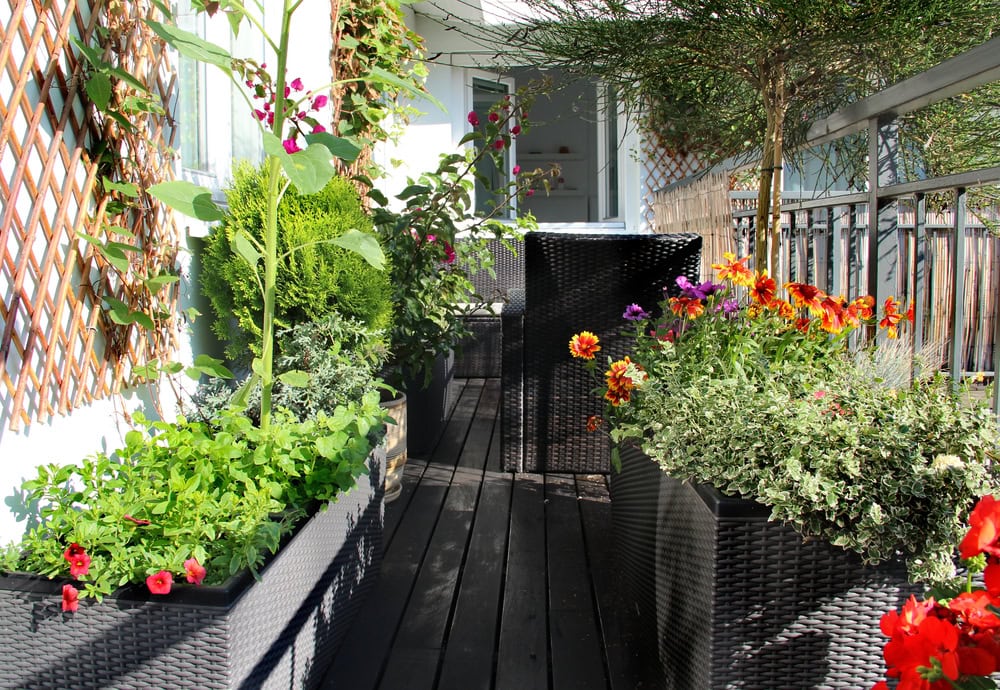
TL;DR: Match your plants to your light, space, and routine first, then start with a few compact, easy-care containers that are simple to water and maintain. This approach helps you avoid the most common beginner mistakes and build a small garden that actually thrives on a balcony, patio, or windowsill.
Small Space Gardening Made Simple: What to Grow on Balconies, Patios, and Windowsills
Small-space gardening sounds easy until you actually try it. A few pots go out on the balcony, patio, or windowsill, and suddenly the questions start.
Is this enough sun? Why is the soil drying so fast? Why does one plant look happy while the next one is already struggling?
The good news is that small-space gardening is not mysterious. Most problems come from a few simple mismatches: the wrong plants for the light, containers that are too small, or a setup that is harder to maintain than it looks.
A windy balcony, a shady patio, and a bright kitchen window are three very different growing spaces. Once you match your garden to the space you really have, small-space gardening becomes much simpler.
The best small-space garden is not the one with the most plants. It is the one you can actually keep alive.
Start With One Goal, Not a Pile of Plants
Before you buy anything, decide what you want this garden to do for you.
Pick one win first:
- fresh herbs for cooking
- a prettier balcony or patio
- one easy edible crop
- a calm, green corner indoors
- a mix of beauty and usefulness
This matters more than most beginners expect. When you start with one clear goal, it becomes much easier to choose the right plants, the right containers, and the right amount of work.
A few examples:
- If you cook often, an herb garden may give you the best payoff.
- If you are busy or forgetful, low-maintenance decorative plants may be a smarter start than thirsty vegetables.
- If you want both beauty and function, keep the mix small and intentional.
A healthy 4-pot garden is better than a stressful 14-pot one.
Choose the Kind of Small-Space Garden That Fits Your Life
Not every small space should grow the same kind of garden. In most homes, one of these four setups makes the most sense.
1. The Easy Herb Garden
This is often the best first win for beginners.
Best for:
- home cooks
- windowsills
- sunny balconies
- people who want frequent use from a small space
Good starter plants:
- basil
- parsley
- chives
- thyme
- mint in its own pot
Why it works:
- herbs stay relatively compact
- many can be harvested often
- they give quick, visible payoff
2. The Small Edible Garden
This is for readers who want to grow food, but it works best when expectations stay realistic.
Best for:
- sunny patios
- sunny balconies
- people willing to check water often
Good starter crops:
- lettuce
- arugula
- spinach
- peppers
- strawberries
- bush beans
Why it works:
- these crops can be productive in containers
- many are better suited to tight spaces than bulky vegetables
3. The Low-Maintenance Green Space
This is ideal if your real goal is a calmer, prettier home.
Best for:
- lower-light patios
- bright indoor areas
- busy people
- readers who want easy visual impact
Good starter plants:
- pothos
- spider plant
- snake plant
- coleus
- geraniums, where light allows
Why it works:
- easier care
- fewer watering emergencies
- strong decorative value
4. The Mixed Useful-and-Pretty Setup
This is the most realistic choice for many beginners.
Best for:
- people who want a little harvest and a little beauty
- patios and balconies with moderate to good light
A simple version might include:
- one herb
- one flowering plant
- one edible crop
- one trailing or foliage plant
This keeps the garden interesting without making it chaotic.
Know Your Space Before You Buy Anything
This is where most beginner mistakes start. People buy the plant first and study the space later.
Do the reverse.
Check these five things before you spend money:
- direct sun
- wind
- reflected heat
- watering a