
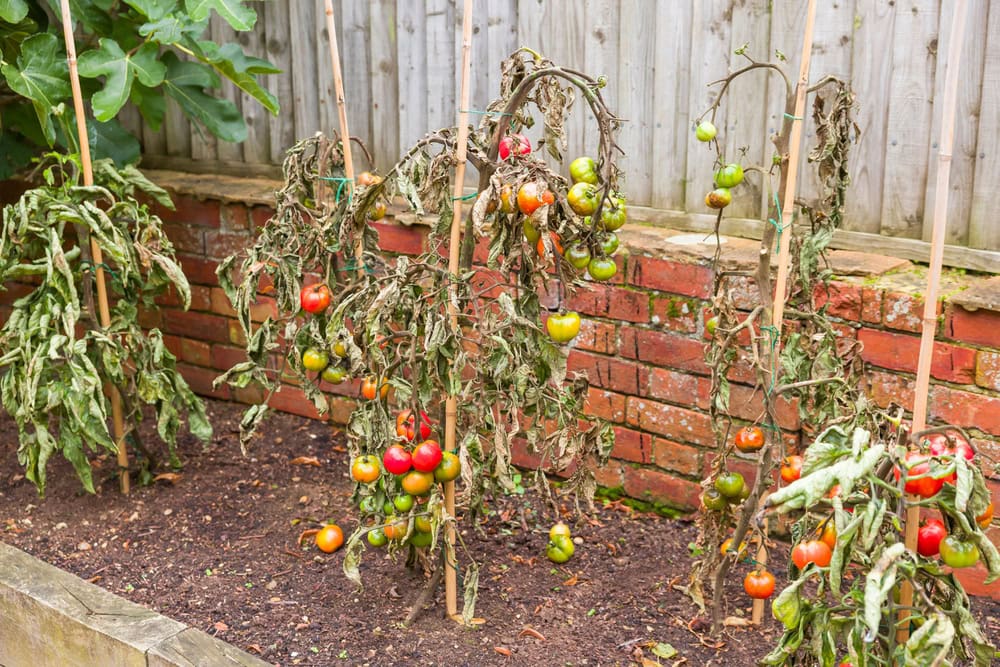
TL;DR: Most beginner gardening problems come from a few fixable setup mistakes like choosing the wrong plant for the light, using pots that are too small or drain poorly, watering by habit instead of checking the soil, and planting at the wrong time. You can avoid most failures by matching plants to your real conditions, checking light and moisture before reacting, giving roots enough space, and following a simple weekly care routine that helps you catch problems early.
Common Gardening Mistakes Beginners Make (and How to Avoid Them)
I have seen more beginners lose confidence over one $4 basil plant than over an entire season of weeds. It starts out cheerful on the windowsill, then a week later it looks limp, pale, and personally offended.
Nothing rattles a new gardener faster than doing everything that seems right and watching a plant decline anyway. If that has happened to you, you are in very good company.
What catches most beginners off guard is that plant problems usually start long before the plant looks obviously sick. By the time leaves yellow or stems flop, the real mistake has often been quietly building for days or even weeks.
If you have ever brought home healthy-looking plants, watered them faithfully, and still ended up with droopy basil, stalled tomatoes, or flowers that never got past “promising,” the problem is usually not effort. Most beginner mistakes come from mismatch, not laziness.
They usually begin with a few reasonable choices that quietly create trouble two or three weeks later. The wrong plant for the light, the wrong pot for the roots, the wrong timing for the season, or a watering habit that feels responsible but works against the plant.
I learned that the hard way when I filled a tiny patio with more than a dozen containers because I wanted it to look lush by the weekend. By the middle of the next week, I had built a thirsty little jungle that needed more attention than my laundry, my inbox, and my patience could spare.
What changed my gardening life was not a miracle product or a shelf full of supplements. It was learning to make fewer, better decisions before the plants ever had a chance to struggle.
You Are Not Behind
If your plants have struggled, that does not mean you are bad at gardening. It usually means a few basic setup or routine choices are making life harder than it needs to be, and once those change, your results usually change too.
Most struggling gardens improve when the gardener stops guessing and starts matching plants to conditions. That sounds simple because it is simple. The hard part is noticing which condition is quietly causing the trouble.
This is for the person growing basil on a patio, trying tomatoes in containers, keeping flowers by the front steps, or wondering why a sunny-looking corner keeps producing sad plants. If you want healthier plants without turning gardening into a second job, the biggest wins usually come from fixing a few common mistakes early.
Why Beginner Gardens Struggle More Than People Expect
Gardening looks easy online because cameras love a perfect moment. Real gardens live through wind, heat, missed waterings, odd shade, reflected heat off brick, and that balcony corner you swear gets full sun even though the peppers say otherwise.
Most beginner problems start before the plant ever looks sick. A tomato in a shaded spot, lettuce planted just before a heat wave, or basil in a pot with poor drainage can be set up to fail before the first leaf curls.
That is why I always separate plant failure from process failure. A struggling plant does not automatically mean you failed. It usually means one part of the process needs correcting.
I have watched beginners pour more effort into a bad setup when what they really needed was one better match. More attention does not rescue the wrong plant in the wrong conditions nearly as often as people hope.
Long-term gardening success looks a lot less dramatic than people expect. It is mostly a string of ordinary decisions made well: the right plant, the right place, the right timing, the right container, and a routine simple enough to repeat.
The Pattern I See Again And Again
- Wrong plant
- Wrong place
- Wrong timing
- Wrong container
- Wrong routine
And once you see that pattern, the first mistake in it usually becomes much easier to catch.
Mistake #1: Starting Too Big Too Fast
Beginner excitement is powerful. It can turn one harmless nursery visit into $86 worth of herbs, flowers, tomatoes, two hanging baskets, and a tiny citrus tree that had absolutely no business coming home with you.
A bigger start feels ambitious, but it often leads to more neglect, not more success. Ten containers do not just mean ten plants. They mean ten moisture levels, ten growth habits, and ten chances to miss the early signs of trouble.
If you have ever looked at your patio and thought, “I can handle all of this,” only to feel buried a week later, you are doing what almost every beginner does. The trouble is that plants do not spread their needs out politely. They seem fine all at once, then needy all at once.
I would rather see a beginner grow three excellent containers than fifteen plants they barely recognize by week two. A small garden teaches you faster because you can actually notice what is happening.
A crowded beginner setup also hides cause and effect. When too many plants are struggling at once, it becomes much harder to tell whether the real issue is light, timing, water, or simple overwhelm.
What beginners call “a lot of gardening” is often just a lot of preventable logistics. Too many pots means more missed clues, more uneven watering, and more chances to resent the very thing you were excited to begin.
What A Smart Beginner Garden Looks Like
- One growing zone like a raised bed, windowsill, or cluster of containers
- Three to five plants instead of a full patio makeover
- One clear goal like herbs, flowers, or easy vegetables
- One simple routine you can keep even on a busy week
Much better: 1 tomato, 1 basil, 1 marigold pot, and a small lettuce container.
Before You Expand, Ask Yourself
- Am I keeping up with watering now?
- Do I know which plants dry out fastest?
- Can I spot when something looks off?
- Am I enjoying this, or chasing it?
Starting smaller helps, but it only works if the plants you choose actually fit the space you have.
Mistake #2: Buying Plants Before Understanding Your Space
Garden centers are built to make you optimistic. Bright blooms, healthy foliage, and neat rows of seedlings can convince you that your shaded side porch is the perfect place for sun-loving tomatoes.
Before you buy anything, study the space. Watch how many hours of direct sun it gets, how windy it is, whether heat bounces off concrete or brick, and how annoying it will be to carry water there in July.
I have watched gardeners spend a whole season trying to force the wrong plant to like the wrong corner, when one better match would have made gardening feel easy. The right plant in the wrong spot will struggle no matter how kindly you speak to it.
If you have ever thought, “But it looked sunny,” you have run into one of the most common traps in home gardening. What looks bright to us and what functions as enough light for a plant are often very different things.
This mistake is expensive because it creates a domino effect. Once the plant starts in the wrong place, watering feels confusing, growth feels disappointing, and fertilizer starts looking tempting even though it is not the real issue.
I have seen people replace the same herb three times in the same bad spot and blame themselves every round. Sometimes the quickest way to become a better gardener is to stop apologizing to the wrong plant and pick one that actually fits the corner you have.
What To Observe Before You Shop
| Check | Why It Matters |
|---|---|
| Direct sun hours | Determines whether herbs, vegetables, flowers, or shade plants will thrive |
| Wind exposure | Dries containers faster and stresses tender plants |
| Heat reflection | Brick, concrete, and walls can bake roots |
| Water access | Hard-to-reach pots get neglected first |
| Available root space | Limits plant size and vigor |
Reality: Only 3 hours of direct sun, which is not enough for many fruiting crops.
Once the plant starts in the wrong place, timing is often the next place beginners get tripped up.
Mistake #3: Growing Plants At The Wrong Time Of Year
Spring tricks people. One warm Saturday shows up, everyone gets hopeful, and suddenly tomatoes are being marched outdoors weeks before the nights are ready for them.
Plants care about season more than enthusiasm. Lettuce, spinach, peas, and cilantro are happier in cool weather, while tomatoes, peppers, basil, and cucumbers want warm soil and mild nights before they really start growing.
Tomatoes often sulk when night temperatures dip below about 55°F. They may survive it, but survival is not the same thing as good growth. A tomato that sits and stalls for two weeks is telling you something.
Lettuce can bolt and turn bitter fast once temperatures climb, especially in hotter Southern regions. I have watched beautiful spring lettuce go from tender to bitter almost overnight once a hot stretch rolls in.
If you have ever planted because the day felt nice, rather than because the season was right, that is a classic beginner move. I once planted lettuce right before an early hot spell because the days felt lovely, and it bolted so fast I barely had time to admire how tidy the row looked.
If growth stalls after a cool spell, timing often matters more than feeding. A plant that is simply waiting for the right conditions does not need to be “boosted.” It needs the season to catch up.
A lot of beginners think the season begins when they feel ready. Plants usually have their own opinion.
Quick Season Split
| Cool-Season Crops | Warm-Season Crops |
|---|---|
| Lettuce | Tomato |
| Spinach | Pepper |
| Peas | Basil |
| Cilantro | Cucumber |
| Arugula | Zucchini |
Before Planting, Ask Yourself
- Are nights still cold?
- Is this crop a cool-season or warm-season plant?
- Am I planting because it is time, or because I am impatient?
And that brings us to one of the most overlooked beginner habits of all: ignoring the tiny piece of information that was trying to help from the start.
Mistake #4: Ignoring The Plant Tag Or Seed Packet
I understand the temptation to toss the tag. It feels flimsy, obvious, and a bit boring.
It also contains the exact information that would have prevented a surprising number of beginner mistakes. Four details matter most: light needs, spacing, timing, and mature size.
Beginners often plant for how something looks in a 4-inch nursery pot. That is like judging a puppy by its first month and acting shocked when it grows into a full-sized dog that needs real space.
If the tag says 18 inches apart, do not plant them 8 inches apart because the container looks empty. The plant will notice even if you do not, and it will make its complaint later.
A tag feels boring right up until the moment you realize it told you exactly how large that plant was going to get. Beginners often ignore the one piece of information that would have saved them money, time, and midsummer regret.
If you have ever thought, “I’m sure it’ll be fine,” this is probably your section. That sentence has launched a lot of crowded containers, leggy seedlings, and expensive do-overs.
The tag is also where the plant quietly tells you whether your plan makes sense. Light, spacing, and timing are not decoration. They are the terms of the agreement.
I have had more than one beginner tell me a plant “suddenly got huge,” as though the tag had not been trying to warn them the whole time.
The Four Tag Details That Save Plants
- Light
- Spacing
- Timing
- Mature Size
Result: Crowded roots, poor airflow, uneven watering, and stress by midsummer.
And if there is one detail beginners misread more than any other, it is light.
Mistake #5: Underestimating Sunlight
One of the most common beginner misunderstandings is believing that bright light equals full sun. A bright room can still be much too dim for basil, tomatoes, peppers, and most flowering annuals.
Full sun usually means around 6 to 8 hours of direct sunlight. Part sun often means 3 to 6 hours. Bright indirect light means the space feels well lit, but the sun is not hitting the plant directly for long stretches.
I have watched beginners swear a spot gets full sun because it feels hot at noon, even though the plant only gets three real hours of direct light. Heat and brightness are not the same thing as usable sunlight.
Buildings, trees, fences, balcony railings, and even your own roofline change what a plant actually receives. A spot can look cheerful and still be wrong for fruiting crops.
If you have ever said, “But this corner is so bright,” you are naming the exact misunderstanding that trips up a lot of home gardeners. Light problems often masquerade as watering problems later.
A plant in weak light may survive for quite a while while slowly getting leggier, paler, and less productive. Beginners often mistake that for a plant that “just needs time,” when it actually needs a different location or a different plant choice.
If flowers make leaves but few blooms, light is often the first place to look. If basil is floppy and pale instead of just dry, check light before anything else.
I have seen entire patio plans fail because the gardener counted “sunny from inside the house” instead of “hours of direct light on the leaves.”
Here is the part that causes trouble: what looks bright to you may still be too dim for the plant.
Light Guide
| Light Type | Rough Meaning | Best For |
|---|---|---|
| Full Sun | 6 to 8+ hours direct sun | Tomatoes, peppers, basil, many flowers |
| Part Sun | 3 to 6 hours direct sun | Some herbs, leafy greens, some flowers |
| Bright Indirect | Bright space, little direct sun | Many houseplants, shade-tolerant plants |
Signs Light May Be The Real Problem
- Basil gets leggy
- Peppers stay small
- Flowers produce leaves but few blooms
- Growth looks pale and stretched
And once the light is off, watering becomes even easier to get wrong.
Mistake #6: Watering On A Schedule Instead Of Checking The Soil
People love watering schedules because they feel responsible and organized. Plants, sadly, are not nearly that cooperative.
A small terra-cotta pot on a hot patio in August may need checking every day. A larger glazed pot in mild weather may stay damp for several days.
That is why “water every day” causes so much trouble. It teaches habit without observation, and observation is what actually keeps plants alive.
If you have ever looked at a drooping plant and reached for the watering can before checking the soil, you are doing what almost every beginner does. I have done it too, and it is one of the fastest ways to confuse a simple problem.
Check the soil before watering. I use the least glamorous method on earth: my finger.
Stick it into the soil about an inch down in smaller pots and a little deeper in larger ones. If it feels dry where the roots are working, water thoroughly.
For containers, that usually means watering until you see a bit of excess drain from the bottom. Then let the soil breathe before watering again.
Overwatering and underwatering can look annoyingly similar at first. Both can cause drooping, yellowing, or slow growth, which is why the soil tells the truth faster than the leaves do.
If the leaves droop and the soil is still wet, think overwatering before fertilizer. If the soil is dry below the surface and the pot feels light, you are probably dealing with true thirst.
A beginner sees droop and thinks “water.” An experienced gardener sees droop and thinks “why.”
Watering Truth Table
| Situation | Likely Better Move |
|---|---|
| Soil still damp | Wait |
| Soil dry below surface | Water thoroughly |
| Pot feels much lighter than usual | Check closely, likely needs water |
| Leaves droop but soil is wet | Do not add more water yet |
| Hot wind + small pot | Check daily |
Before You Water
- Did I check below the surface?
- Is the pot drying faster because of heat or wind?
- Is this plant a seedling, herb, succulent, or mature vegetable?
- Does the container material change how fast it dries?
This is one of the fastest problems to improve. But if the setup under the soil is wrong, good watering will only get you so far.
Mistake #7: Using The Wrong Pot, The Wrong Setup, Or No Drainage
Pretty containers get people every time. I understand. I have brought home enough handsome pots to know beauty can be very persuasive.
But drainage holes save more plants than style ever will. If water cannot escape, roots sit in soggy soil and slowly lose the oxygen they need.
That is how a cheerful herb turns into a soft, yellowing mess. Beginners often call it a watering problem, but the real issue started with the container.
Pot size matters too. Tiny pots dry out faster, overheat faster, and crowd roots faster than most beginners expect. The smallest pots are often the ones that create the most work.
A tomato start may look perfectly happy in a small decorative pot when you buy it for $5 to $8. By midsummer, that same pot can feel like a toaster for roots.
If container size has felt vague, this is the kind of starting point that saves beginners a lot of trouble. A plant can survive in a too-small pot for a while and still never really perform.
For many tomato varieties, a 5-gallon container is the minimum, and larger often works better. Peppers are often happier in 3- to 5-gallon pots, while basil usually performs better in something around 8 to 12 inches wide than in a cramped little nursery pot.
If a container dries out by noon in midsummer, pot size and material may be the real issue, not just your watering frequency. That is especially true with smaller terra-cotta pots in hot, windy spots.
Empty saucers if water collects there. Decorative outer pots can work, but only if you remember they are jackets, not bathtubs.
Container gardens punish small mistakes faster than in-ground beds do. That is why beginners often feel like container plants are “hard,” when really they are just less forgiving.
I have watched people blame themselves for being inconsistent when the real problem was a pot too small to stay stable for more than half a day.
Pot Size Cheat Sheet
| Plant | Good Starting Container Size |
|---|---|
| Tomato | 5 gallons or larger |
| Pepper | 3 to 5 gallons |
| Basil | 8 to 12 inch wide pot |
| Lettuce | Wide shallow container works well |
| Mint | Its own pot, moderate space, good drainage |
What happens later: Fast drying, overheated roots, weak growth, and constant stress.
And this is also why so many beginners blame fertilizer for problems fertilizer was never going to fix.
Mistake #8: Using The Wrong Soil Or Reaching For Fertilizer Too Fast
Not all soil is built for the same job. Yard soil and container potting mix behave very differently, and mixing them up causes trouble fast.
Garden soil in a pot tends to compact, drain poorly, and stay heavier around roots than container plants like. Potting mix is designed to stay lighter and drain better.
Fertilizer gets blamed for not solving problems it was never meant to solve. If the plant is in the wrong light, the wrong pot, or constantly wet, feeding it more will not rescue it.
I have seen beginners spend $12 to $20 on fertilizer when the real problem was a pot without drainage. That is the gardening version of buying vitamins while standing in ankle-deep water.
If you have ever thought, “Maybe it just needs food,” pause there. That thought is often where beginners start treating the symptom instead of the cause.
If leaves are yellow and the soil is staying wet, think drainage or overwatering before nutrients. If growth is pale and stretched, think light before fertilizer. Feeding a plant that is already stressed by setup usually adds confusion, not clarity.
Beginners often spend money trying to silence a symptom. The plant is usually asking for a better root environment, not a stronger bottle.
Simple Troubleshooting Flow
Before You Use Fertilizer
- Is the plant getting enough light?
- Is the soil staying too wet?
- Is the pot too small?
- Are pests involved?
- Am I trying to fix stress with food?
Once the basics are right, spacing becomes the next quiet issue that starts causing trouble.
Mistake #9: Planting Too Close Together
Empty soil makes people nervous. They see space in a container and feel compelled to fill it immediately, as if the pot will feel lonely without one more basil or one more flower.
What looks full and pretty at planting time can become crowded, damp, and grumpy once the plants hit their stride. Mature plants need room for roots, airflow, and light.
Overcrowding also makes watering harder. Plants compete more, dry unevenly, and block airflow in ways that invite stress and disease.
If you have ever thought, “I didn’t want the container to look empty,” you are naming exactly why this happens. It is one of the most understandable beginner mistakes there is.
A crowded pot often looks best the day you plant it and worst six weeks later. That is the part beginners do not get warned about often enough.
If leaves are stacked tightly, airflow is poor, and one plant dries much faster than the others, spacing may be the real issue. In mixed containers, one thirsty plant can throw the whole rhythm off.
What beginners call “lush” often turns into competition faster than they expect. A pot can look abundant and still be badly planned.
Six weeks later: Leaves overlap, airflow drops, roots compete, and one thirsty plant throws the whole watering rhythm off.
Spacing Check
- Did I check mature size?
- Am I filling empty space for looks?
- Will this still work in 6 weeks?
- Can air move through the planting?
And once several different plants are crowded together, treating them all the same usually makes the problem worse.
Mistake #10: Treating Every Plant The Same
This is one of the most normal beginner mistakes because everybody wants one easy care system. Unfortunately, mint, rosemary, pothos, succulents, tomatoes, and petunias did not agree to that arrangement.
Some plants like evenly moist soil. Others want to dry between waterings.
Some want intense direct sun. Others want bright light without the sun beating down on them all afternoon.
I learned this the hard way when I put rosemary and mint in one container. Mint wanted regular moisture. Rosemary wanted sharper drainage and much less fuss. I had created a tiny botanical custody battle.
I see the same thing indoors when people water pothos and succulents on the same schedule. One is usually irritated, and the other is heading toward root trouble.
If you have ever assumed, “A plant is a plant,” this is the section to pay attention to. Similar-looking plants can want completely different care, and a shared routine can quietly keep one of them unhappy.
This is where grouping by need helps more than people expect. When thirsty plants live together and dry-loving plants live together, your routine stops fighting the plants.
Better Groupings
| Group Together | Why |
|---|---|
| Thirsty herbs | Similar watering needs |
| Succulents and dry-loving plants | Prefer drying out |
| Shade-tolerant houseplants | Similar light needs |
| Warm-season vegetables | Similar seasonal timing |
Once plants are in the right place and getting more tailored care, visibility becomes the next quiet advantage.
Mistake #11: Putting Edible Plants Where You Rarely See Them
This mistake is quieter than the others, but it matters more than people think. Plants you pass every day get checked, pinched, watered, harvested, and noticed.
Plants hidden at the edge of the yard or behind a prettier planter often get forgotten until they are stressed. Out of sight really does become out of mind.
If you use basil, parsley, or mint in cooking, keep it near the kitchen door, the back steps, or the patio table. If you grow leaf lettuce or cherry tomatoes, place them where your daily routine naturally passes by.
If a plant is easy to forget, it is easy to delay. That is true even for experienced gardeners on busy weeks.
I have had plain, practical herb pots outperform prettier arrangements simply because I saw them more often. Visibility gives you more chances to notice dry soil, pinch growth, harvest on time, or catch pests before they settle in.
Plants in the far corner of a yard often get the same kind of attention as treadmills used for laundry. They exist, you know they exist, and somehow they still get ignored.
This is one of those small choices that makes a garden feel easier instead of harder. The best herb planter is often the one you almost trip over.
Best Spots For Everyday Edibles
- Near the kitchen door
- Beside the patio table
- Along the path you use daily
- On the steps or porch you see every morning
And the more often you see your plants, the more likely you are to catch their early warning signs before they become a bigger problem.
Mistake #12: Missing Early Warning Signs
Plants whisper before they yell. Beginners often miss that stage because they are waiting for the plant to look dramatically awful before they take action.
Early warning signs include pale new growth, leaf curl, sticky residue, chewed edges, fungus gnats, slowed growth, and lower leaves yellowing earlier than expected. These are useful clues because they show you a problem while it is still manageable.
I recommend a 5-minute weekly check. Look at the leaves, check the soil, peek under foliage, and notice whether the plant looks better, worse, or roughly the same as last week.
If a plant looks bad, resist the urge to do everything at once. Beginners often over-help.
They water more, feed more, move the plant, spray something, and prune in one dramatic burst. That often leaves the plant worse off and the gardener more confused.
If you have ever tried three fixes in one afternoon and ended up more confused by evening, that is exactly the trap here. You can correct this faster than you think if you slow down and check in order.
If yellow leaves show up and the soil is still wet, think overwatering before hunger. If the plant is pale and stretched, check light first. If fungus gnats appear, pay attention to constant moisture.
The first signs are rarely dramatic. That is why they are so easy to miss and so valuable when you catch them.
Early Warning Sign Cheat Sheet
| Symptom | First Thing To Check |
|---|---|
| Yellow leaves + wet soil | Overwatering |
| Pale, stretched growth | Light |
| Sticky leaves | Pests |
| Fungus gnats | Constantly wet soil |
| Chewed edges | Insects or critters |
| Slow growth | Light, roots, timing |
Five-Minute Weekly Check
- Look at leaf color
- Check soil moisture
- Peek under leaves
- Scan for pests
- Notice whether growth is improving or stalling
And once you are paying closer attention, harvest stops being an afterthought and starts becoming part of good care.
Mistake #13: Missing The Harvest Window
Many beginners treat harvest like the trophy moment at the end. For a lot of edible plants, harvesting is part of regular care.
Basil gets woody and less productive when you let it stretch too long without pinching. Lettuce can turn bitter in heat. Zucchini and cucumbers can go from perfect to oversized with startling speed.
You do not need to wait for a perfect, magazine-ready harvest. You need to pick herbs, greens, and vegetables when they are at their best.
If you have ever thought, “I’ll leave it one more day,” only to find it tougher, larger, or past its prime, welcome to the club. This is one of those mistakes that teaches fast and wastes more food than beginners expect.
Regular harvesting keeps you connected to the plant. It also helps you notice when a plant is slowing down, stressing out, or starting to slide past its best stage.
A missed harvest window is rarely just about flavor. It often means a beginner loses momentum, notices the plant less, and ends up feeling like the whole effort was not worth it.
Harvest timing is one of the quiet ways confidence grows. When you start picking at the right stage, the garden stops feeling like a test and starts feeling useful.
Quick Harvest Examples
| Plant | Better Habit |
|---|---|
| Basil | Pinch often to keep it leafy |
| Lettuce | Harvest before heat makes it bitter |
| Zucchini | Pick young before it becomes oversized |
| Cucumber | Check often because size changes fast |
And for many readers, the hardest part is not knowing what to do. It is doing it consistently in a real, busy week.
Mistake #14: Letting A Busy Schedule Create Inconsistent Care
Most home gardeners are squeezing plant care in around work, chores, family life, weather, and whatever else the week decides to throw at them. Plants feel that inconsistency more than we do.
Missing one day is rarely the disaster. Ignoring the garden for five days, then panic-watering, overfeeding, or hacking everything back in one guilty burst is where trouble usually begins.
Build garden care into habits you already have. Check patio containers while the coffee brews, look at the porch pots when you come home, or do a quick reset every Sunday morning.
If life is full, choose plants that fit that season of life. There is no prize for growing high-maintenance crops when you barely have time to fold towels.
If you have ever felt like you were constantly “catching up” to your plants, that feeling usually comes from a routine that asks too much of you. A lighter routine often works better.
This is one of the most reassuring fixes in the whole piece because it is so often solved by simplifying. Fewer plants, better grouping, and more visible placement can change your gardening experience fast.
Habit Stacking Ideas
- Coffee brewing = soil check
- Coming home = quick patio glance
- Sunday morning = reset routine
- Cooking dinner = harvest herbs
And when time is tight, spending money feels like the easiest shortcut. That is where a lot of beginners get pulled off course.
Mistake #15: Spending Too Much Before Learning The Basics
Beginner gardeners are constantly sold the idea that better results come from more products. Fancy tools, moisture meters, additives, plant tonics, and miracle feeds can pile up surprisingly fast.
You do not need a $40 gadget to tell you what your eyes and fingers can often tell you for free. You also do not need to keep replacing plants in the same flawed setup and calling it a fresh start.
Spend first on the basics that actually change outcomes: the right plant, the right pot, the right growing mix, and the right light. Those choices solve more problems than most products ever will.
If you have a limited budget, a larger container with drainage and a good bag of potting mix will usually do more for your success than a basket of extras from the garden aisle.
If you have ever bought fertilizer for a low-light problem, or replaced the same herb three times in the same bad window, you have done what many beginners do. Shopping often feels like progress when diagnosis feels harder.
Beginners often spend money trying to avoid learning what the plant was already saying for free. That is one of the costliest patterns in home gardening.
I have seen people own three kinds of fertilizer and still not own one pot large enough for the tomato they were trying to rescue.
Spend Here First
| Worth Spending On | Often Skip At First |
|---|---|
| Good pot with drainage | Fancy gadgets |
| Suitable potting mix | Extra “boosters” |
| Right-size container | Miracle tonics |
| Better-matched plant | Random treatments |
Once the setup improves, the next big leap usually comes from remembering what actually worked.
Mistake #16: Not Labeling Plants Or Keeping Simple Notes
Memory is a terrible garden assistant. By midsummer, a lot of beginners cannot remember what variety they planted, when they planted it, or which corner performed best in spring.
Labels matter, especially with seedlings, peppers, herbs, and mixed containers. Notes matter even more because they turn random experience into useful information.
Your notes do not need to be elegant. A phone note that says “basil dried fast in terra-cotta” or “south corner pepper produced best” is enough.
Those tiny notes save a surprising amount of time and money. They help you avoid repeating the same mistakes next season, which is where real gardening confidence starts to build.
If you have ever stood over a pot thinking, “Wait, what did I plant here again?” then you already know why this matters. A one-minute note now can save a month of guesswork later.
The goal is not to become a meticulous record keeper. It is to stop relearning the same lesson every summer.
What To Track In One Minute
- Plant name or variety
- Planting date
- Best-performing spot
- Watering quirks
- Pest issues
- Anything that clearly worked
And that is often the moment when beginners stop feeling like they are guessing and start feeling like they are actually learning.
Mistake #17: Giving Up Too Soon
Every gardener loses plants. Every one of us.
I have killed seedlings by overloving them, crisped herbs in hot pots, and planted crops at the wrong time with great confidence and poor results. Experience does not make you flawless. It teaches you how to notice more, guess less, and recover faster.
The difference between gardeners who improve and gardeners who quit is usually not talent. It is whether they treat mistakes as proof they are hopeless or as clues about what needs changing.
If you want long-term success, repeat a few dependable plants until you understand them. Let small wins build your skill.
If you have been tempted to think, “Maybe I’m just not good at this,” take a breath there. Most gardeners improve because they stop treating mistakes like verdicts and start treating them like information.
That shift matters. Once you start seeing problems as patterns instead of personal failures, gardening gets much less discouraging and a lot more satisfying.
I have never met a good gardener who had not killed things. I have only met good gardeners who learned how to pay closer attention the next time.
Good Plants To Repeat While You Learn
- Basil
- Marigolds
- Lettuce
- Pothos
- Bush beans
- Mint
- Snake plant
Quick Self-Check
Ask yourself these questions before you buy another plant or blame the weather:
- Did I choose the plant before checking the light?
- Am I watering by routine instead of checking the soil?
- Is the pot large enough, and does it drain well?
- Did I plant for how it looks now instead of how big it gets?
- Am I trying to care for too many plants at once?
- Are my edible plants easy to see, harvest, and remember?
One honest answer can save you weeks of frustration.
Mistake Vs. Better Habit
| Mistake | Better Habit |
|---|---|
| Buy plants first and figure out placement later | Check sunlight, space, and watering access before you shop |
| Water every day because it feels responsible | Check the soil first and water only when needed |
| Use the same care routine for every plant | Group plants with similar needs |
| Plant for how full a container looks today | Space for mature size |
| Rely on memory | Label plants and keep simple notes |
Better Habits That Fix A Lot Fast
A few simple habits prevent more beginner problems than most people expect. Check soil before watering, read the tag before planting, match the plant to the light you really have, and keep a short weekly routine you can actually maintain.
None of that feels flashy in the moment. It just happens to be the kind of boring good sense that keeps working in July, in August, and in the years after you stop thinking of yourself as a beginner.
A 10-Minute Weekly Garden Reset
Set aside 10 minutes once a week and do the same simple routine:
- Check soil moisture
- Inspect leaves for pests or yellowing
- Empty standing water from saucers
- Remove dead growth
- Harvest what is ready
- Note which plants look better or worse than last week
What To Check Before You Try To Fix A Plant
When a plant starts struggling, go in this order before you reach for fertilizer, sprays, or replacement plants:
- Light
Is the plant getting the amount of direct sun or bright light it actually needs? - Soil Moisture
Is the soil too wet, too dry, or drying out unevenly? - Drainage And Pot Size
Does the container drain well, and does the root system have enough room? - Spacing
Is the plant crowded by nearby roots, leaves, or stems? - Pests
Are there signs of chewing, sticky residue, webbing, fungus gnats, or insects under the leaves? - Timing And Season
Is the plant growing in the right season for your area and current temperatures? - Fertilizer Only After The Basics
Feed only after the light, water, drainage, spacing, and timing make sense.
Visual Flow
Plant Troubleshooting Calculator:
Why Is My Plant Struggling?
Answer a few quick questions to get the most likely cause, what to check first, and the best next steps.
Frequently Asked Questions
What Is The Most Common Gardening Mistake Beginners Make?
Starting with the wrong plant in the wrong place is probably the biggest one. Poor light, bad timing, cramped containers, and plants that do not fit your space cause a lot of avoidable disappointment.
How Do I Know If I Am Overwatering Or Underwatering?
Check the soil, not just the leaves. Wet soil with drooping or yellowing leaves often points to overwatering, while dry soil with limp growth usually points to underwatering. When in doubt, the soil is usually telling the truth faster than the foliage is.
Why Do Healthy Plants From The Store Struggle So Fast At Home?
Plants often leave the store after steady watering, strong light, and protected conditions. At home, a dimmer window, a smaller pot, uneven watering, or a colder night can make them decline fast. A healthy-looking plant is not proof that your home conditions match what it just left.
Why Does My Plant Look Worse After I Try To Help It?
Beginners often over-help. More water, more fertilizer, more movement, or more pruning can make a stressed plant worse if the real issue was light, drainage, crowding, or season. The fastest way to get clarity is to change one thing at a time, not five.
How Much Sun Do Beginner-Friendly Plants Really Need?
It depends on the plant, but many vegetables and herbs do best with 6 to 8 hours of direct sun. Shade-tolerant plants and many houseplants need much less. If a plant is surviving but staying pale, stretched, or unproductive, light is often the first place to investigate.
Can I Use Garden Soil In Containers?
I would not. Container potting mix usually performs much better because it drains more freely and stays looser around roots. Garden soil in a pot often gets heavy, compacted, and harder for roots to live in comfortably.
How Many Plants Should Go In One Pot?
Usually fewer than beginners think. The right number depends on container size and mature plant size, but crowding is one of the fastest ways to create stress. A pot that looks slightly sparse at first often ends up looking better a month later.
What Are The Easiest Plants For Beginner Gardeners To Grow?
For many beginners, basil, mint, marigolds, leaf lettuce, pothos, snake plant, bush beans, and zucchini can be good starting points if the conditions are right. Easy plants still need a good match with light, timing, and container setup, which is why the “easy” label only goes so far.
Begin Where You Are
You do not need a big yard, perfect weather, or expensive supplies to get better at gardening. You need one or two plants, a closer look at your conditions, and the willingness to change what is not working.
Start where you are. Use the light you have, the space you have, and the time you actually have.
Most gardeners do not improve because they discover a secret. They improve because they learn to notice more, guess less, and fix the right thing sooner.
Once you stop treating plant problems like mysteries and start reading them like patterns, gardening gets a lot less frustrating and a lot more satisfying.
That is the real turning point. Not the moment when nothing ever goes wrong again, but the moment when you know where to look first and you trust yourself to respond.
A good gardener is rarely the person with perfect instincts. More often, it is the person who has learned how to pay attention, stay curious, and make smaller mistakes sooner.
Pick one struggling plant today and check its light, soil, and container before you do anything else. That one small decision may teach you more than a whole season of guessing.