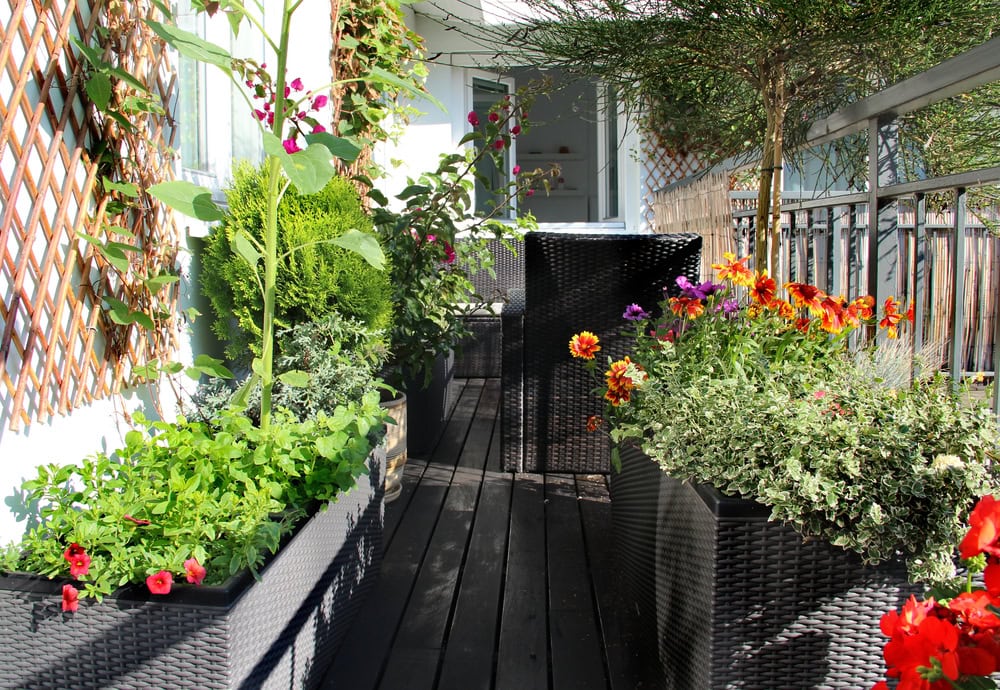
9 Small Space Gardening Ideas for Balconies, Patios, and Windowsills

Table of Contents

TL;DR: Match your plants to your light, space, and routine first, then start with a few compact, easy-care containers that are simple to water and maintain. This approach helps you avoid the most common beginner mistakes and build a small garden that actually thrives on a balcony, patio, or windowsill.

Small Space Gardening Made Simple: What to Grow on Balconies, Patios, and Windowsills

Small-space gardening sounds easy until you actually try it. A few pots go out on the balcony, patio, or windowsill, and suddenly the questions start.

Is this enough sun? Why is the soil drying so fast? Why does one plant look happy while the next one is already struggling?

The good news is that small-space gardening is not mysterious. Most problems come from a few simple mismatches: the wrong plants for the light, containers that are too small, or a setup that is harder to maintain than it looks.

A windy balcony, a shady patio, and a bright kitchen window are three very different growing spaces. Once you match your garden to the space you really have, small-space gardening becomes much simpler.

The best small-space garden is not the one with the most plants. It is the one you can actually keep alive.

Start With One Goal, Not a Pile of Plants

Before you buy anything, decide what you want this garden to do for you.

Pick one win first:

  • fresh herbs for cooking
  • a prettier balcony or patio
  • one easy edible crop
  • a calm, green corner indoors
  • a mix of beauty and usefulness

This matters more than most beginners expect. When you start with one clear goal, it becomes much easier to choose the right plants, the right containers, and the right amount of work.

A few examples:

  • If you cook often, an herb garden may give you the best payoff.
  • If you are busy or forgetful, low-maintenance decorative plants may be a smarter start than thirsty vegetables.
  • If you want both beauty and function, keep the mix small and intentional.

A healthy 4-pot garden is better than a stressful 14-pot one.

Choose the Kind of Small-Space Garden That Fits Your Life

Not every small space should grow the same kind of garden. In most homes, one of these four setups makes the most sense.

1. The Easy Herb Garden

This is often the best first win for beginners.

Best for:

  • home cooks
  • windowsills
  • sunny balconies
  • people who want frequent use from a small space

Good starter plants:

  • basil
  • parsley
  • chives
  • thyme
  • mint in its own pot

Why it works:

  • herbs stay relatively compact
  • many can be harvested often
  • they give quick, visible payoff

2. The Small Edible Garden

This is for readers who want to grow food, but it works best when expectations stay realistic.

Best for:

  • sunny patios
  • sunny balconies
  • people willing to check water often

Good starter crops:

  • lettuce
  • arugula
  • spinach
  • peppers
  • strawberries
  • bush beans

Why it works:

  • these crops can be productive in containers
  • many are better suited to tight spaces than bulky vegetables

3. The Low-Maintenance Green Space

This is ideal if your real goal is a calmer, prettier home.

Best for:

  • lower-light patios
  • bright indoor areas
  • busy people
  • readers who want easy visual impact

Good starter plants:

  • pothos
  • spider plant
  • snake plant
  • coleus
  • geraniums, where light allows

Why it works:

  • easier care
  • fewer watering emergencies
  • strong decorative value

4. The Mixed Useful-and-Pretty Setup

This is the most realistic choice for many beginners.

Best for:

  • people who want a little harvest and a little beauty
  • patios and balconies with moderate to good light

A simple version might include:

  • one herb
  • one flowering plant
  • one edible crop
  • one trailing or foliage plant

This keeps the garden interesting without making it chaotic.

Know Your Space Before You Buy Anything

This is where most beginner mistakes start. People buy the plant first and study the space later.

Do the reverse.

Check these five things before you spend money:

  • direct sun
  • wind
  • reflected heat
  • watering access
  • actual growing room

How Much Sun Do You Really Get?

This is the first question to answer.

A simple guide:

  • Full sun: about 6 or more hours of direct sun
  • Part sun or part shade: about 4 to 6 hours of direct sun
  • Bright indirect light: a bright space with little or no direct sun on the leaves

This is especially important indoors. A bright windowsill may still not be strong enough for plants that need full sun, such as tomatoes or peppers.

A bright window can still be useful. It may be great for:

  • chives
  • parsley
  • mint
  • microgreens
  • some leafy greens

But bright is not the same as full sun.

Is the Space Windy?

Balconies dry out faster than many beginners expect, especially on higher floors. Wind pulls moisture from leaves and soil, knocks over light containers, and stresses tender plants.

If your balcony is windy:

  • choose sturdier containers
  • avoid top-heavy setups
  • expect to check water more often
  • start with fewer plants

Is Heat Bouncing Back Onto Your Plants?

Concrete, walls, railings, and glass can all reflect heat. A small pot beside a hot wall may dry much faster than a pot a few feet away.

This is one reason balcony and patio gardens can behave very differently, even in the same home.

How Hard Will It Be to Water?

This question gets ignored all the time, but it matters.

If you have to carry water across the apartment, squeeze past furniture, or move several pots every time, that setup may look good but still fail in real life.

If watering feels annoying, the garden is probably too hard.

How Much Room Do You Really Have?

A small space should still feel usable. Leave room to walk, sit, open doors, and reach every pot.

Small-space gardening is about using the space well, not filling every inch.

Balconies, Patios, and Windowsills Are Not the Same

These spaces get grouped together all the time, but they behave differently.

Balconies

Common challenges:

  • strong wind
  • reflected heat
  • limited floor space
  • weight concerns
  • drying out fast

Best uses:

  • herbs
  • compact vegetables
  • heat-tolerant flowers
  • railing or corner setups

Patios

Common challenges:

  • deeper shade
  • trapped heat
  • clutter from too many containers
  • uneven light through the day

Best uses:

  • mixed container gardens
  • herbs and flowers
  • leafy greens in moderate light
  • grouped pots by care needs

Windowsills

Common challenges:

  • less direct light than expected
  • small root space
  • dry indoor air
  • limited number of suitable crops

Best uses:

  • herbs
  • microgreens
  • scallions
  • small decorative plants
  • propagation jars

Treating all three spaces the same is one of the fastest ways to get disappointing results.

If You Rent, Check Safety and Rules First

A small garden should feel relaxing, not risky.

Before you build out a balcony or patio setup, check:

  • lease rules
  • HOA or building rules
  • railing restrictions
  • water runoff concerns
  • any weight limits if relevant

A few practical rules help:

  • Wet soil is heavy.
  • Spread larger containers out instead of clustering them all in one spot.
  • Use saucers or trays where runoff could drip onto neighbors below.
  • Choose freestanding, movable options when possible.

For renters, flexible setups are usually smarter than permanent-looking ones.

Buy the Basics First and Leave the Extras for Later

You do not need a complicated shopping list to start well.

What you need first:

  • containers with drainage holes
  • potting mix made for containers
  • a watering can or easy watering method
  • 3 to 5 well-chosen plants or seeds

What can wait:

  • matching containers
  • decorative stands
  • styling extras
  • trendy accessories
  • too many varieties at once

Where To Spend and Where To Save

Spend on:

  • decent potting mix
  • correct container size
  • drainage
  • a few plants that fit your light

Save on:

  • decorative extras
  • tiny novelty pots
  • large impulse plant hauls
  • anything that looks good but makes care harder

A plain plastic pot with drainage is often a better gardening tool than a beautiful pot that traps water.

Start With a Low-Regret Setup

If you are a beginner, do not build the garden you imagine owning six months from now. Build the easiest version that teaches you what works.

A low-regret starter garden should be:

  • small
  • easy to water
  • easy to move
  • easy to replace if a plant fails
  • built around forgiving plants

A simple starter setup for many readers:

  • one parsley
  • one basil or mint, depending on light
  • one sturdy flower or easy foliage plant

That gives you:

  • one useful plant
  • one confidence-building plant
  • one plant that makes the space feel finished

Grow What Earns Its Place

In a tiny garden, every plant should have a reason to be there.

Before growing anything, ask:

  1. Will I actually use or enjoy this plant?
  2. Does it suit my light and space?
  3. Is it worth the room and care it will take?

This filter saves money and frustration.

High-Reward Plants for Small Spaces

These usually earn their place:

  • basil
  • parsley
  • chives
  • thyme
  • lettuce
  • arugula
  • spinach
  • peppers
  • strawberries
  • compact flowers with a long bloom season

Why these work:

  • frequent harvesting or long-lasting visual payoff
  • better fit for containers
  • easier to enjoy in small amounts

Lower-Reward Plants for Very Tight Spaces

These are often harder to justify in tiny setups:

  • corn
  • pumpkins
  • large squash
  • full-size tomatoes in undersized pots
  • sprawling crops that need lots of room

This does not mean never grow them. It means they are usually not the smartest first use of a very small area.

Think in Repeated Value, Not Bulk Harvest

This is where many beginners get disappointed.

A windowsill herb garden is not meant to feed a family. A balcony garden may not give you baskets of produce. That does not mean it is failing.

Small-space gardening is often best at:

  • snipping herbs for meals
  • cutting salad greens a few leaves at a time
  • picking a handful of strawberries
  • enjoying flowers every day
  • making a home feel greener and calmer

Grow for freshness, not bulk. That mindset makes small gardens feel far more rewarding.

Choose Compact Plants on Purpose

Plant variety matters almost as much as plant type.

In containers and small spaces, look for words like:

  • compact
  • dwarf
  • bush
  • patio
  • container

These varieties are often easier to manage because they need:

  • less support
  • less root room
  • less constant correction
  • less space above and below the soil

Good examples:

  • dwarf tomatoes
  • compact peppers
  • bush beans
  • smaller basil varieties
  • compact marigolds or petunias

A full-size plant in a too-small container creates extra work fast.

Match Plants to Light First, Then to Your Goals

This is one of the best ways to avoid beginner mistakes.

Do not start with “What do I want to grow?” Start with “What kind of light do I actually have?”

Best Options for Sunny Balconies and Patios

If you get at least 6 hours of direct sun, good choices may include:

  • basil
  • rosemary
  • thyme
  • peppers
  • strawberries
  • marigolds
  • petunias
  • dwarf tomatoes in sufficiently large pots

Best Options for Shadier Patios

If the space gets only part sun or bright shade, better choices may include:

  • parsley
  • chives
  • lettuce
  • spinach
  • arugula
  • coleus
  • some begonias
  • foliage plants that tolerate lower light

Best Options for Bright Windowsills

If the window is bright but not strongly sunny, realistic choices often include:

  • chives
  • parsley
  • mint
  • microgreens
  • scallions in water or soil
  • compact foliage plants

If the window gets strong direct light for hours, you may have more options, but do not assume this without checking.

Containers Matter More Than Most Beginners Realize

Container choice affects watering, root health, temperature, and long-term plant success.

Simple Container Rules That Save Trouble

  • Always choose drainage holes.
  • When in doubt, choose the larger pot.
  • Match container depth to root needs.
  • Avoid crowding several thirsty plants into one tiny container.

Basic Size Guidance

These are rough beginner-friendly ranges:

  • Herbs: often at least 6 to 8 inches wide
  • Lettuce and greens: shallow but wide containers work well
  • Peppers: often 10 to 12 inches wide or more
  • Dwarf tomatoes: often 12 to 18 inches wide, depending on the variety
  • Mint: better in its own pot because it spreads aggressively

Pretty Setup vs Practical Setup

This matters.

A pretty setup often fails when:

  • the pots are too small
  • there is no drainage
  • the plants are too crowded
  • the layout is hard to water

A practical setup usually works better because:

  • the containers hold moisture more evenly
  • the plants have enough room
  • you can reach everything easily
  • the whole system is easier to maintain

You can still make it look good later. Plant health comes first.

Soil and Watering Are Where Most Small Gardens Struggle

These are the two places beginners most often get tripped up.

Use Potting Mix, Not Garden Soil

Garden soil usually compacts too much in containers. It can drain poorly, dry unevenly, and make root problems more likely.

A container potting mix is made to stay lighter and more workable in pots.

Why Small Pots Dry Out So Fast

Container plants dry quickly because:

  • there is less soil holding moisture
  • wind speeds up drying
  • hot surfaces raise temperature
  • some pot materials, like terra-cotta, lose moisture faster

A Simple Watering Routine

Do not water by panic, and do not rely only on a fixed schedule.

Instead:

  • check the top inch of soil with your finger
  • water when that zone feels dry for many herbs and vegetables
  • water deeply enough to soak the root zone
  • adjust for heat, wind, and pot size

Rough expectations:

  • hot, sunny balcony pots may need daily checks
  • shadier patio pots may need water every few days
  • windowsill herbs may dry more slowly, unless they sit in intense sun or near heat

The key word is check, not guess.

Group Plants by Care Needs

One of the easiest ways to make a small garden simpler is to stop mixing plants with completely different needs.

Group plants together that want similar:

  • sun
  • watering
  • soil moisture

Good groupings:

  • rosemary, thyme, oregano
  • basil, parsley, lettuce
  • shade-tolerant foliage plants together
  • sunny flowers together

This makes watering easier and reduces the common beginner problem of one plant being overwatered while another dries out.

Arrange for Light, Airflow, and Access

A small garden has to work as a space, not just as a plant display.

When arranging containers:

  • put taller plants where they will not shade shorter ones
  • keep the most-used plants close to where you enter
  • leave enough room to water and inspect every pot
  • avoid packing containers too tightly together

Airflow matters because crowded plants stay damp longer and are more likely to run into mildew or pest issues.

Access matters because if you cannot reach a plant easily, you are less likely to care for it consistently.

If you cannot reach it easily, you probably will not keep up with it well.

Use Vertical Space Without Turning the Area Into a Jungle

Vertical gardening can be smart in small spaces, but only when it improves function.

Good uses of vertical space:

  • hanging planters for trailing flowers
  • wall-mounted herbs where light is strong
  • a small plant stand that still allows every level enough sun
  • railing planters where allowed and safely supported

Bad uses of vertical space:

  • stacking so tightly that lower plants get no light
  • hanging plants where watering becomes awkward
  • adding height without thinking about weight or wind
  • using every surface until the space feels crowded and annoying

Small space does not mean fill every inch. Empty space helps the whole garden breathe.

Easy Starter Setups You Can Copy

These setups work because they are simple, flexible, and beginner-friendly.

Easy Windowsill Setup

Best for:

  • indoor-only gardeners
  • bright kitchens
  • small apartments

Try:

  • chives
  • parsley
  • basil if the light is strong enough

If the light is weaker, swap basil for mint or a decorative foliage plant.

Easy Balcony Setup

Best for:

  • sunny or partly sunny balconies
  • gardeners who want a mix of use and beauty

Try:

  • railing or corner herbs
  • one pepper plant
  • one leafy green container
  • one trailing flower

Keep the setup open enough that watering does not feel like a chore.

Easy Patio Setup

Best for:

  • small outdoor sitting areas
  • mixed decorative and edible use

Try:

  • one herb pot
  • one wide greens container
  • one flowering pot
  • one easy foliage plant

Fewer larger containers are often easier than many tiny ones.

Start With the Season You Are In

A badly timed plant can make a beginner doubt the whole setup.

But timing matters more than many people realize.

In general:

  • leafy greens often do better in cooler weather
  • basil and peppers usually prefer warmer conditions
  • some plants struggle not because your space is bad, but because the season is wrong

This is why one failed plant does not tell you everything. A plant can be right for your space and wrong for the time of year.

Common Beginner Mistakes to Avoid

These are the mistakes that cause the most trouble in small-space gardens:

  • buying plants before checking light
  • starting with too many pots
  • choosing full-size plants for tiny containers
  • using decorative pots without drainage
  • mixing plants with very different watering needs
  • overcrowding the space
  • assuming bright means full sun
  • growing bulky crops in very limited room
  • expanding before the first setup is stable

The Low-Regret Way To Start

For most beginners, this is the safest path:

  • start with 3 to 5 plants
  • choose forgiving varieties
  • use containers you can move
  • observe the space for a few weeks
  • expand only after one round goes well

When Not To Expand Yet

Do not add more plants yet if:

  • watering already feels inconsistent
  • you still are not sure how much direct sun the space gets
  • current plants are yellowing or struggling
  • the setup already feels crowded
  • you are still learning the routine

Fix the system first. Then grow.

Troubleshooting: What Your Plant May Be Trying To Tell You

Most problems in small-space gardening are not mysterious. Start with the basics.

Yellow Leaves

Possible causes:

  • too much water
  • poor drainage
  • low light

First things to check:

  • is the soil staying wet too long?
  • does the pot have drainage?
  • is the plant getting enough direct light?

Leggy, Stretched Growth

Possible cause:

  • not enough light

First thing to try:

  • move the plant to a brighter spot if possible

Brown, Crispy Edges

Possible causes:

  • dry soil
  • heat stress
  • wind exposure

First thing to try:

  • check moisture and consider whether the plant is sitting in a hotter or windier spot than you realized

Drooping Leaves

Possible causes:

  • thirst
  • heat stress
  • root issues from overwatering

First thing to check:

  • is the soil dry, soggy, or just hot?

Weak Harvest or No Blooms

Possible causes:

  • not enough light
  • container too small
  • plant variety not suited to the space

First things to check:

  • direct sun hours
  • pot size
  • whether the plant is a compact/container-friendly variety

Build a Good-Looking Garden Without Overspending

You do not need a full makeover to make a small space feel good.

To keep it budget-friendly:

  • buy fewer, better containers
  • reuse sturdy pots if you can add drainage
  • start with seedlings if you want faster results than seeds
  • let healthy plants provide most of the beauty
  • add styling later, after you know what works

A small, healthy garden almost always looks better than a larger one that feels stressed and cluttered.

Friction-Proof Your Garden

This is one of the smartest ways to make a small garden succeed.

A friction-proof garden is one that is easy to care for even when life gets busy.

Make care easier by:

  • keeping the watering can nearby
  • placing the plants you use most where you see them every day
  • grouping plants with similar needs
  • avoiding layouts that require moving several pots to reach one
  • keeping the total number of containers manageable

If your garden is easy to check, easy to water, and easy to enjoy, you are much more likely to stick with it.

A Simple Care Routine You Can Actually Keep Up With

Small gardens do well with simple routines.

Daily

  • glance at the plants
  • check the soil on thirstier containers
  • notice anything drooping, yellowing, or drying out

Weekly

  • harvest herbs
  • remove dead leaves
  • check for pests
  • tidy the layout if pots have shifted or gotten crowded

Monthly

  • reassess what is working
  • rotate indoor pots if needed
  • decide whether any plant needs a bigger container
  • hold off on expanding unless the current setup feels stable

Consistency matters more than perfection.

Dos and Don’ts for Small-Space Gardening

Do

  • check your light before buying plants
  • start with one clear goal
  • choose compact varieties when possible
  • use bigger pots when you can
  • group similar plants together
  • keep the setup easy to reach and water

Don’t

  • assume bright means full sun
  • start with too many plants
  • use containers without drainage
  • pack every inch of the space with pots
  • buy based only on looks
  • expand before your first setup is working well

Small-Space Gardening FAQs

What Is the Easiest Small-Space Garden for a Beginner?

A simple herb garden is often the easiest place to start, especially if you have decent light and cook at home.

Can I Grow Vegetables on a Balcony?

Yes, if the balcony gets enough direct sun and you choose compact crops like peppers, greens, strawberries, or bush beans.

What Grows Best on a Windowsill?

Herbs, microgreens, scallions, and some decorative plants are often the most realistic choices.

How Often Should I Water Container Plants?

As often as the soil tells you to. Hot sunny pots may need daily checks, while shadier containers may stay moist longer.

Are Compact Varieties Better for Containers?

Usually yes. They are often easier to manage and better suited to limited root space.

How Many Plants Should I Start With?

Three to five is a very comfortable starting range for most beginners.

Final Takeaway: Check Your Light, Pick One Goal, and Start With 3 Plants

You do not need more plants, a bigger budget, or better luck.

You need a small-space garden that matches your real light, your real routine, and the kind of gardening you actually want to do.

So before you buy anything:

  • check your direct sun
  • choose one clear goal
  • start with 3 plants
  • keep the setup simple enough that you can enjoy it

That is how small-space gardening gets easier. And that is how a balcony, patio, or windowsill starts to feel less like a challenge and more like part of home.

“`